Home › Services › Site drainage
Site Drainage in Auckland
Subsoil drains, cut-off drains, channels and sumps for boggy lawns, wet subfloors, soggy banks and driveways that flood.
- Subsoil and cut-off drains for wet clay sections
- Driveway channels, sumps and cesspits installed
- Outlets taken to a lawful discharge point
Get a free quote
Tell us about the job. We reply within one working day.
Auckland gets around 1,200 mm of rain a year, much of it in short heavy bursts, onto clay that soaks it up slowly. The result is familiar: lawns that squelch until November, water under the house, and a pond at the bottom of the driveway.
Site drainage is about giving that water a path. Surface water is collected in channels and sumps. Groundwater is intercepted with drains in the soil. Both are led to somewhere they are allowed to go.
The main fixes
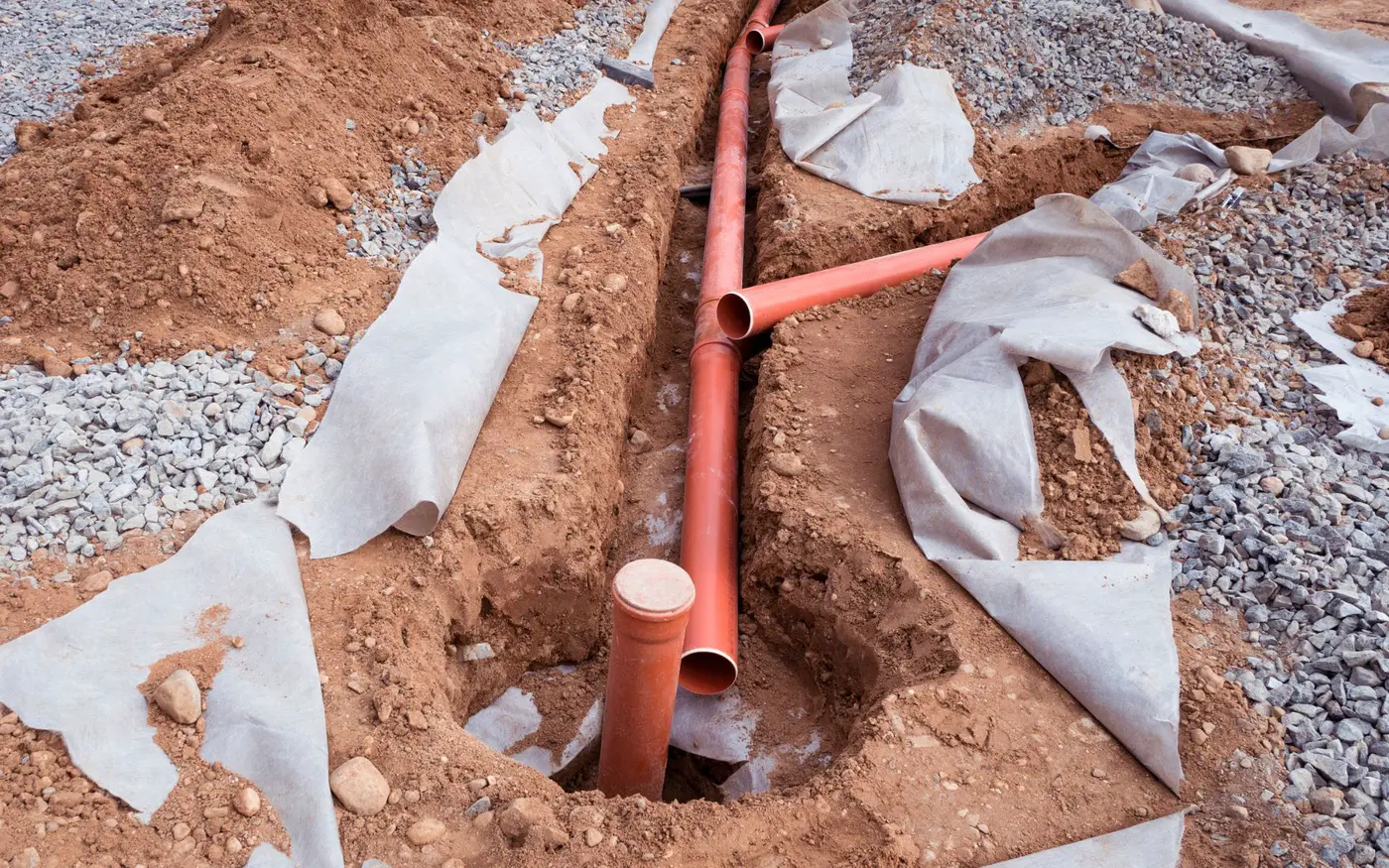
- Subsoil drains. A perforated coil in a trench of drainage metal, wrapped in filter cloth, that lowers the water in the surrounding soil. See the subsoil drainage guide.
- Cut-off drains. A drain across the top of a section that catches water coming off the hill before it reaches the house.
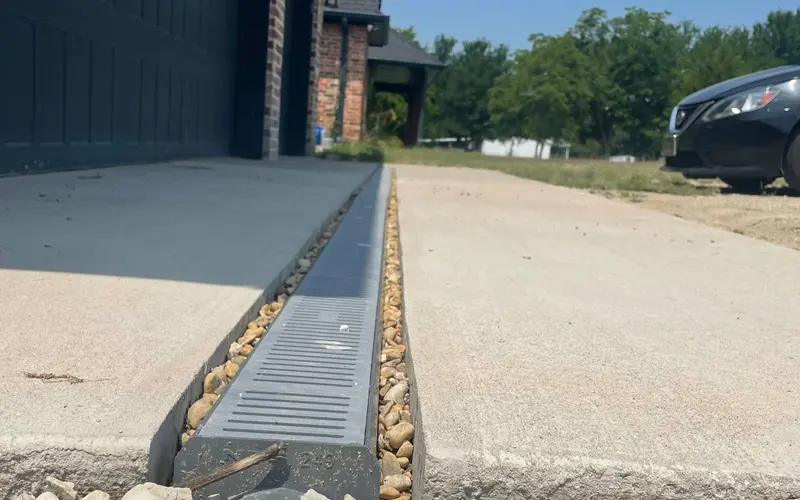
- Channel drains. Grated channels across driveways and patios. See driveway channels.
- Sumps and cesspits. Collection points with a silt trap. See cesspits.
- Regrading. Often the cheapest fix: reshaping the ground so it falls away from the house.
The clay soil drainage guide explains which fix suits which problem.
Where the water can go
Every drain needs an outlet, and this is where many home-made systems go wrong. Stormwater can go to the public stormwater system, to the kerb where the council allows it, or to ground soakage where the soil suits, as it does on much of the volcanic isthmus. It cannot be piped onto a neighbour's land or into the wastewater sewer. Sites in a flood plain or on an overland flow path have extra rules, because blocking or redirecting a flow path moves the flooding next door. Check GeoMaps and confirm with Auckland Council.
Who does which part
Connecting to the public stormwater or wastewater system, and laying or altering the drains that carry roof water and sewage, is restricted work for a registered drainlayer and normally needs a building consent. The contractor works with a drainlayer for those parts. Subsoil and field drains, regrading, channels and the trenching are earthworks. A wet patch that appears suddenly, or a hole opening in the lawn, is more often a broken pipe than a drainage problem: see sink holes.
Drainage prices in Auckland
| Item | Guide price |
|---|---|
| Subsoil drain, installed | $90 to $200 per metre |
| Trench, dug and backfilled | $25 to $70 per metre |
| Mini digger with operator | $95 to $130 per hour |
| Imported hardfill or drainage metal, placed | $90 to $160 per m³ |
Guide prices before GST on a site with reasonable access. The written quote that follows a site visit is the price that counts.
Questions about site drainage
How much does it cost to drain a wet section in Auckland?
A subsoil drain is $90 to $200 per metre installed, so 30 metres of drain around a lawn is a few thousand dollars before the outlet connection. Regrading with a mini digger at $95 to $130 an hour is often cheaper where the problem is surface water.
Why is my lawn always boggy?
Usually a mix of heavy clay, a flat or dished surface and water arriving from uphill. Compaction from building work makes it worse. The fix is to reshape the surface and, where that is not enough, add subsoil drains to an outlet.
Can I drain water onto the road?
Only where the council allows a kerb outlet for that property. You cannot discharge onto a neighbour or into the sewer. Ask Auckland Council what the approved outlet is.
Do I need a drainlayer?
For anything connected to the stormwater or wastewater system, yes. Subsoil drains and regrading are earthworks, but their outlet connection is usually the drainlayer's job.
Who actually does the work?
An independent Auckland earthworks contractor that we partner with. They come to the site, price the job in writing and carry it out under their own name.
From enquiry to finished job.
Tell us about the job
Send the form or call. What needs digging, a rough size and a suburb is enough to start.
Site visit
The contractor checks access, slope, the ground, underground services and where the spoil can go.
Written, itemised quote
Machine time, cartage, tip fees, imported metal and any consent costs listed separately, with a start date. No obligation.
Dig, cart and tidy up
Sediment controls go in first. The site is left trimmed, compacted and clean, and you walk it before the last invoice.
Get a price on site drainage
Send the form and we will line up a free site visit. You then get a written quote with every cost listed. Or ring and talk it through.
Request a free quote
Tell us about the job. We reply within one working day.